Panels for Home GuideSolar BatteriesSolar Buying Guides

What Are the Latest Trends in Renewable Energy (and How Do They Work)?

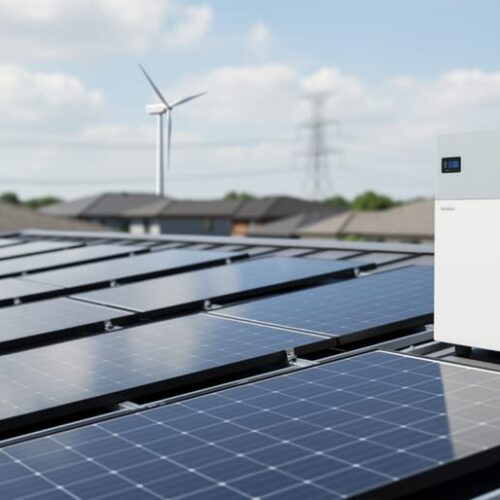
Trends in renewable energy refer to the evolving patterns, technologies, and market shifts shaping how we generate, store, and distribute clean power. These trends encompass everything from breakthrough battery chemistries and next-generation solar panels to policy changes driving adoption and new financing models making renewable systems accessible to more households and businesses.
Understanding these trends matters because the renewable energy landscape has transformed dramatically in recent years, and what seemed cutting-edge just a few years ago can now be outdated or economically uncompetitive. For homeowners and business …

Panels for Home GuideSolar BatteriesSolar Buying Guides

Why Your Solar Panels Aren’t Working as Hard as They Should (And How to Fix It)

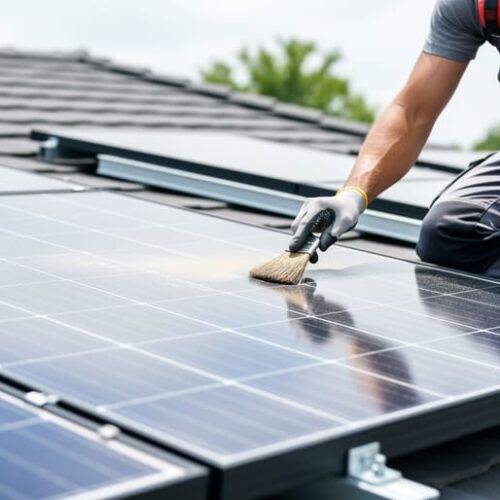
Clean your solar panels every 3-6 months to remove dust, pollen, and debris that can reduce energy output by 15-25%. Use a soft brush or specialized solar panel cleaning equipment with deionized water during early morning or evening hours to prevent thermal shock and water spots.
Monitor your system’s performance data weekly through your inverter’s app or monitoring platform. A sudden drop of more than 10% typically signals an issue requiring attention, whether it’s shading from new tree growth, a faulty connection, or panel degradation. Understanding these metrics helps you identify problems before they …

Panels for Home GuideSolar Buying Guides

What Solar Panels Actually Cost in 2022 (Real Numbers from 10,000+ Installations)

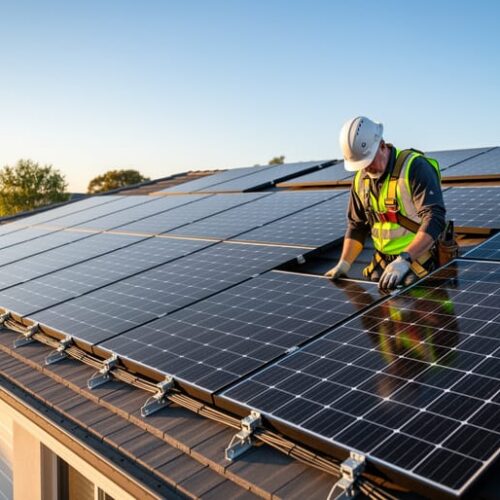
Expect to invest between $15,000 and $25,000 for a typical residential solar panel system in 2022, with the final price per watt averaging $2.77 nationally before incentives. This translates to roughly $11,000 to $18,000 after applying the 26% federal solar tax credit, though your actual costs will vary significantly based on system size, equipment quality, location, and installation complexity.
Calculate your specific investment by determining your household’s energy consumption in kilowatt-hours, then multiply your required system size by your region’s average cost per watt. A 6-kilowatt system in California runs …